From Zurich to Michigan: Janina Endres’ traineeship journey
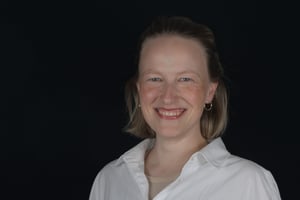
Janina Endres, dentist and clinical researcher at the University of Zurich’s Center for Dental Medicine (ZZM), spent three months at the University of Michigan through the Advanced Research Traineeship*. There, she complemented her prosthodontic expertise with new insights in periodontology under the mentorship of Purnima Kumar.
Read the full interview and discover how this traineeship expanded her clinical and research expertise.
Tell us a little about yourself. What drew you to dentistry?
My aunt, a periodontologist in Munich, inspired me early on to pursue dentistry. Moving from Germany to Switzerland in 2022 for my residency was formative both personally and professionally. While I specialise in prosthodontics, I have always maintained a strong interest in periodontology, and my traineeship in Michigan was a great opportunity to broaden my knowledge in a world-class research environment.
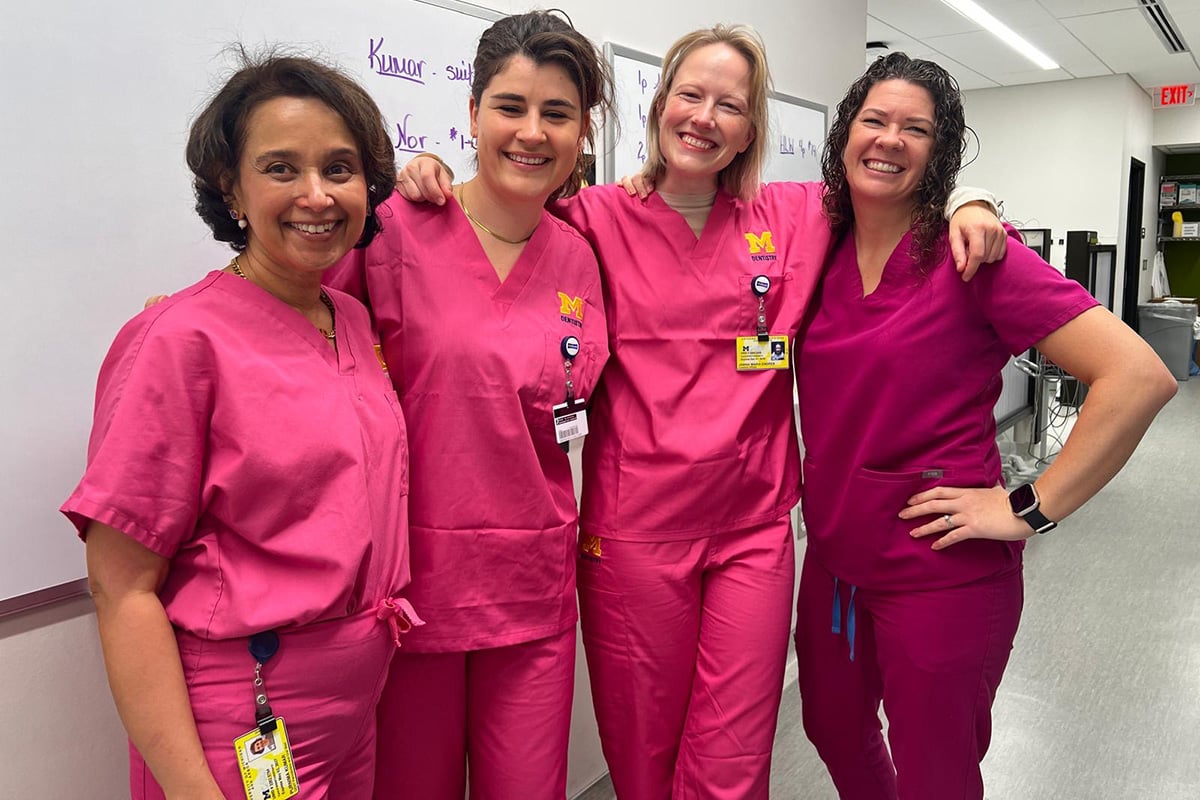
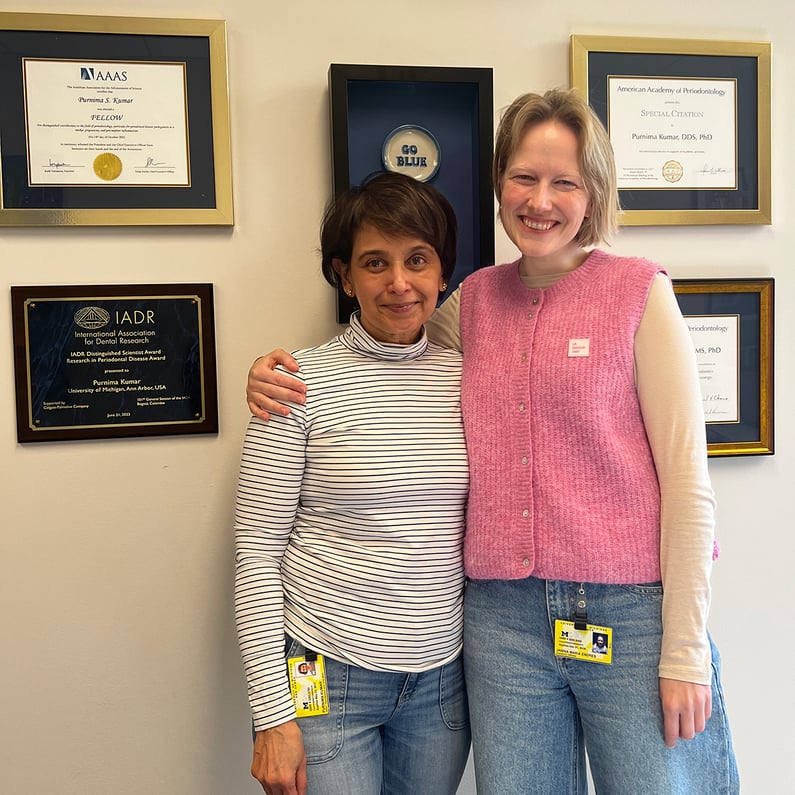
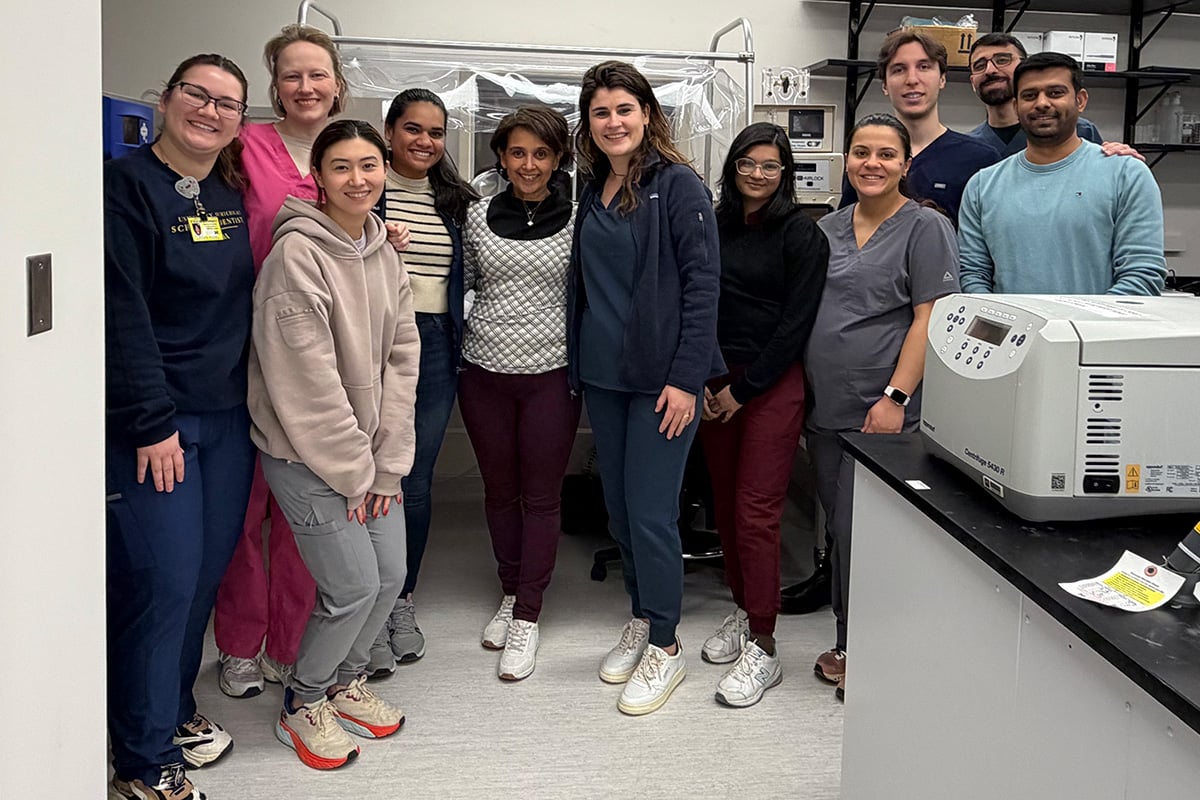
Janina and her mentor Purnima Kumar (far left) and Osteology Scholar Kiri Lang (second from left)
What did you hope to achieve with the Traineeship, and were your expectations met?
I aimed to gain research skills, learn new methodologies, and broaden my clinical perspective beyond prosthodontics. The traineeship fully met these expectations: I engaged in structured research projects, acquired new methodological skills, and integrated periodontal and biological concepts into my clinical thinking. Attending conferences in Chicago and Detroit further expanded my understanding of periodontal research and professional society structures.
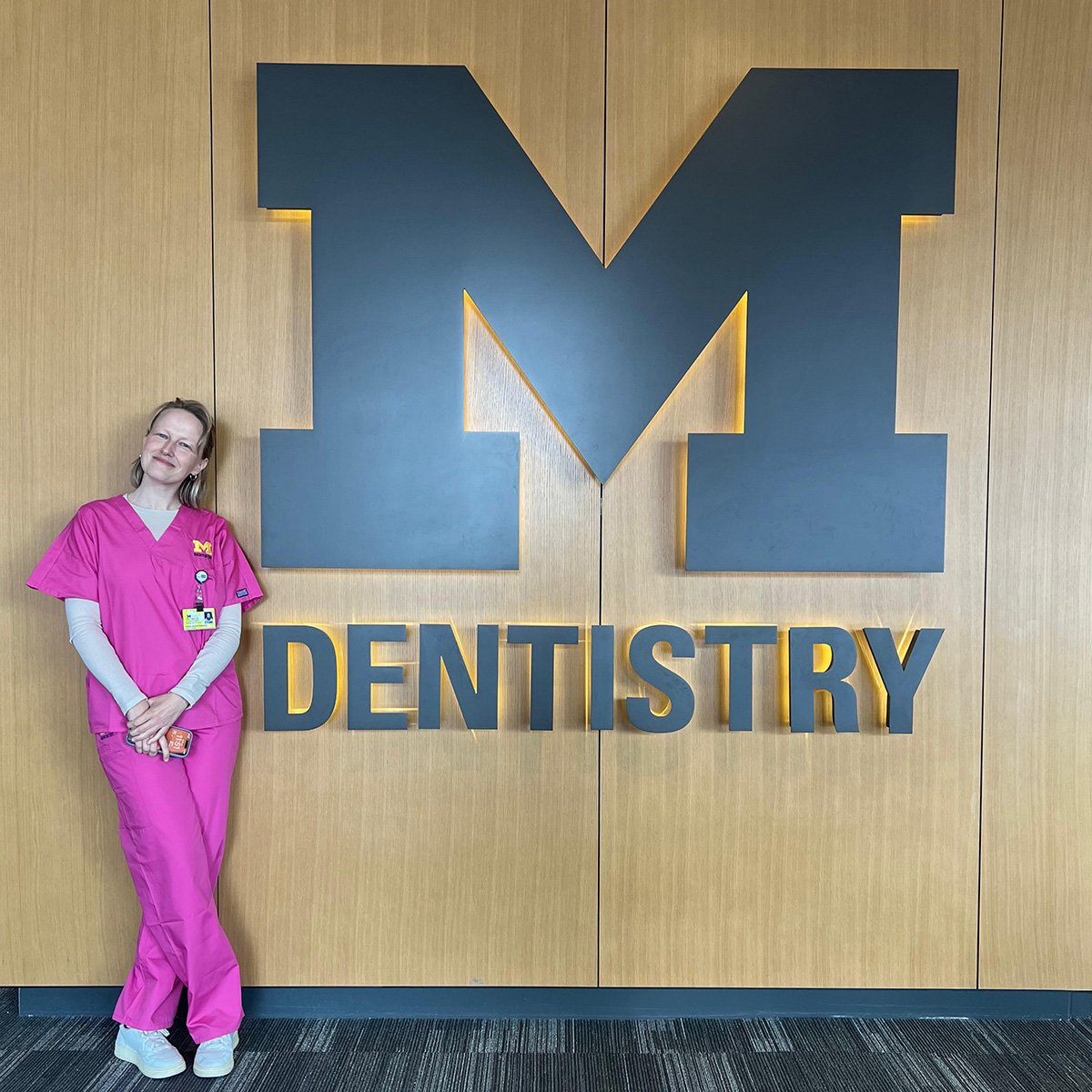
Tell us about your Michigan project.
Project title: Microbial Profiles in Relation to Prosthodontic Variables: Co-localised Risk Factors for Peri-implant Diseases
Janina analysed the peri-implant microbiome from 239 patient samples, focusing on how prosthodontic factors (such as emergence profile and angle) influence microbial patterns and peri-implant disease. She gained experience in laboratory molecular methods and Python-based microbiome data analysis, contributing to understanding the link between prosthetic design and peri-implant tissue health.
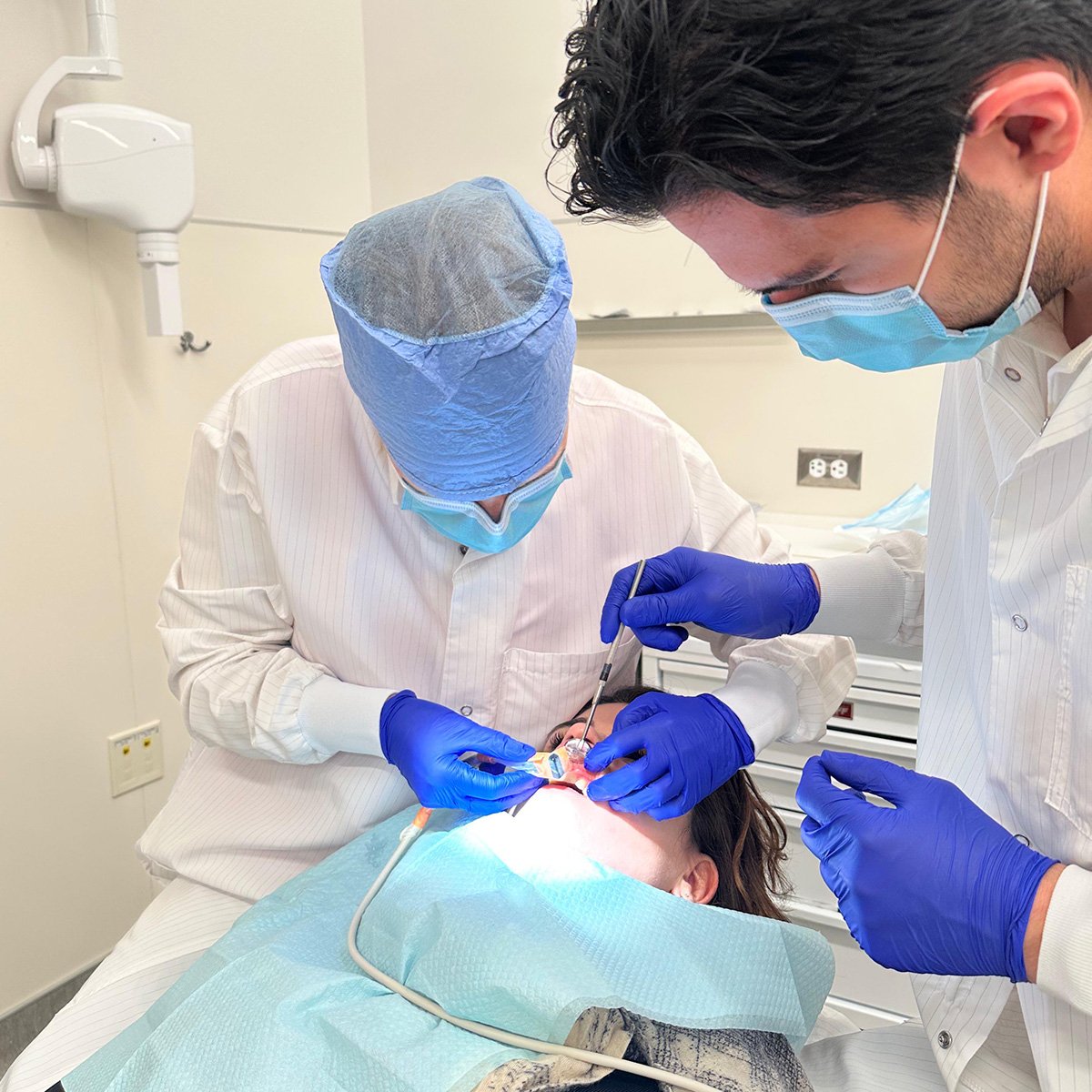
Additionally, she contributed to the design of a randomised clinical trial evaluating flap incision designs on early soft-tissue perfusion, learning advanced imaging techniques and clinical research methodology.
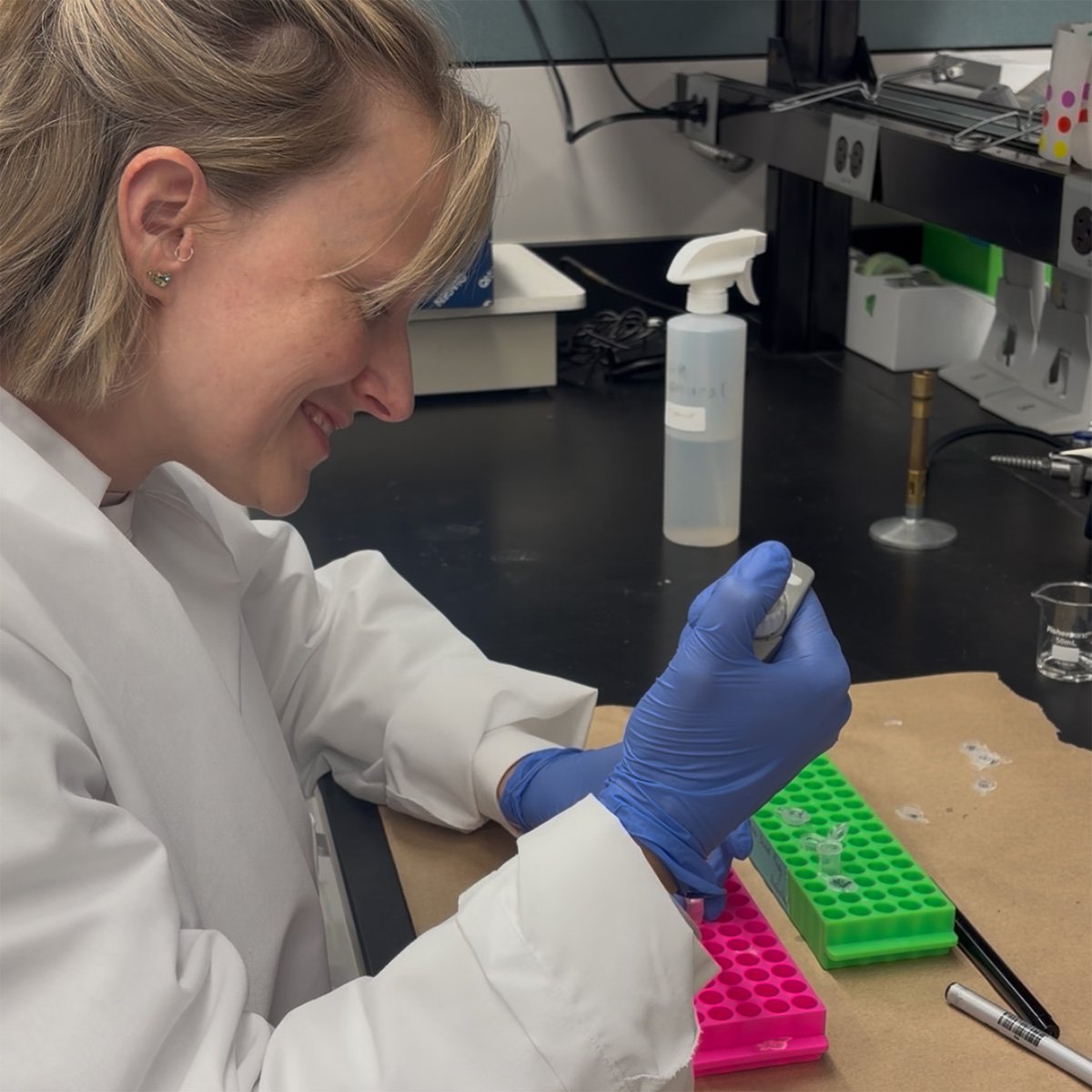
How was your experience within the research team and local environment?
The University of Michigan provided an inspiring and structured environment. Comparing approaches with my home university broadened my perspective on patient care. I was impressed by the efficient research workflows and highly motivated colleagues. Personally, adapting to a new academic and cultural context strengthened my values and personal growth.
What’s next for your career?
I plan to continue at the University of Zurich with an 80% clinical research role and 20% private practice. This allows me to apply the skills gained during the fellowship while maintaining a strong connection to daily patient care.
Acknowledgements
"I am deeply grateful to Prof Purnima Kumar for mentorship, Prof Ronald Jung for guidance throughout my residency and application process, and the Osteology Foundation for making this traineeship possible."
Thank you very much for your time and for this interview.
* “The Advanced Research Traineeship” is a funding programme by the Osteology Foundation with the objective to teach and train individuals on the use of a certain technique, method or model as part of their professional development. A mentor at the receiving organisation provides guidance and shares expertise with the applicant, fostering collaboration at an individual but also institutional level.
Overall, the programme shall facilitate transnational and transdisciplinary exchange of knowledge and good practices, and lead to the development of new skills and competencies that the applicant transfers to their home institution and own research projects.